
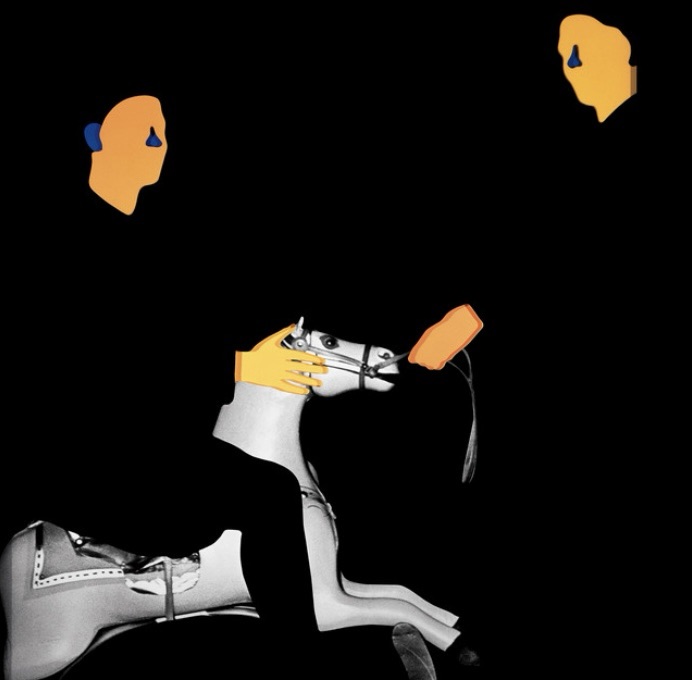
MGMT’s career has been one that has been so interesting to follow since they first emerged in the late 2000s. Most music nerds and fans of Indie Pop music know the legendary backstory of this group. MGMT was formed on a whim in the early 2000s by Andrew VanWyngarden and Ben Goldwasser when they attended Wesleyan University with each other and expressed interest in similar music. MGMT was originally a Noise Rock band, with their first two EPs having a much harder sound than the music they would come to make in the future. MGMT’s third EP, Time To Pretend, was released in 2005. The sound of this project consisted of MGMT trying to sort of make fun of and put a quirky twist on Indie Synth Pop music that was popular at the time. MGMT accidentally created something special with this project, though, and it became the basis for their sound from that point on. This EP spawned two of the band’s seminal legendary hits, ‘Time To Pretend’ and ‘Kids’(which were also included on their debut album Oracular Spectacular). After signing with Columbia Records, MGMT released Oracular Spectacular in 2007. That album catapulted the group into stardom. It is seen as a staple in Indie Pop and has been incredibly influential on so many artists since its release, and it is considered by many to be one of the best albums of the 2000s. MGMT’s next two albums, 2010’s Congratulations, and 2013’s MGMT, were not well received. Unfortunately, a lot of fans thought they had lost the spark they had on their first record. Following a several-year break from making new music, MGMT avenged the disdain for their last two records in 2018 with the release of Little Dark Age. The project is seen as a return to form and proved that MGMT still could make the same kind of magic they made at the beginning of their career. After another long hiatus for the group, MGMT has finally returned with their fifth studio album, Loss of Life. It has been very long-awaited, as music fans want to see if they can continue their momentum from Little Dark Age. With that being said, here is how I feel about Loss of Life. Please let me know in the comments below what your favorite songs are from this record, and also comment on how you feel about it as a whole.
MGMT gets Loss of Life going on a riveting and intense note with ‘Loss of Life (part 2).’ This is a true introduction piece in a manner that is not a true song. Instead, it is an old Welsh poem recited over a very strange instrumental. This instrumental consists of saturated and distorted synths that are bright and metallic; they have a tone that is triumphant and haunting at the same time. This strange melody is put over a light drum beat with a marching band tempo to it. When paired with this drum beat, the melody takes on an anxious element. The mix on the vocals of the Welsh poem is staticy and the voice sounds so classic; it honestly sounds like a radio recording from the 1940s. ‘Loss of Life (part 2)’ is certainly a bold way to start this record, and it definitely captures my attention. ‘Mother Nature’ has a very charming and warm instrumental that is so classic. For the most part, this instrumental sounds like it came right out of the early 1970s, specifically from artists like REO Speedwagon or ELO(the synths that come in and the mix do give ‘Mother Nature’ a modern element). It has the kind of Bluesy Ballad Rock music that those artists were known for. The guitar-driven melody for this track is so warm and charming; it literally gives me the feeling of sitting near a fire under a blanket with a cup of Hot Chocolate on a calm and beautiful autumn night. This melody is complemented by synths and what sounds like a distorted harmonica. Towards the end of the track, harder electric guitars come in, making the song feel bigger and bigger as it comes to a climax. Like the melody, the drum performance in ‘Mother Nature’ starts pretty tranquil and picks up emphasis as the track progresses. The vocals in ‘Mother Nature’ are sultry and inviting, matching the energy of the instrumental super well. ‘Mother Nature’ is a metaphor for MGMT’s career, with them referencing how they have come to terms with how their career has progressed(and the former disdain they had for the music they made at the beginning of their career); it also discusses how MGMT feels as free artistically now as they ever have and that they are finally now coming into their own. ‘Dancing In Babylon,’ which features Christine and the Queens, is a quirky and complex track that somehow feels retro and ultramodern at the same time. There are elements of this track that are reminiscent of 1980s Art Rock music, similar to artists like Talking Heads or Devo. This is particularly through the guitar riff that provides the basis for the melody. This guitar riff is complemented by saturated synths and crazy sound effects, and a piano riff that comes in and out, making the song feel otherworldly and almost utopian because of how luminous they make the track. The drum pattern on ‘Dancing In Babylon’ is constantly changing, at times having a slower tempo that sounds like it is played on a traditional drum kit, and at times having a fast tempo that sounds like it comes from a beat machine. The complexity truly keeps me on my toes as a listener, and it makes the song feel so fresh. As gripping as this instrumental is, my favorite thing about ‘Dancing In Babylon’ is the vocal performances. The vocals of Andrew WynGarden and Christine and the Queens mesh perfectly and add to the extravagant feeling of the track. On ‘Dancing In Babylon,’ MGMT and Christine and the Queens are singing about living in the moment and enjoying your life with the people you love instead of worrying about what comes next.

‘People In the Streets’ is another song that feels very inspired by early 1970s Blues Rock. Like ‘Mother Nature,’ I can hear a major influence from artists like REO Speedwagon or STYX. The melody for ‘People In The Streets’ is very similar in tone to the one on ‘Mother Nature.’ This melody is a bit more deliberate, but it has the same kind of cozy acoustic guitar-driven that track has. The build on ‘People In The Streets’ is even more grand than the one on ‘Mother Nature’ though. As the song moves along, various other instruments, synths, and sound effects come in that make the song feel super massive. Towards the end of the track, the synths and saturation that drown the instrumental make the track feel ethereal. The drum beat on ‘People In The Streets’ is pretty understated, making the melody feel all the more vast. The vocals in ‘People In The Streets’ are not anything exceptional, but they are solid. I like the vocal fry on the vocals on portions of the track, as they add emotion to it. On ‘People In The Streets,’ MGMT is singing about just trying to keep moving along through the uncertainty of life. Even if things are not perfect, you can always find solace in the little things you enjoy. ‘Bubblegum Dog’ is the toughest and most melancholy song of the record to this point. It sort of feels like a modern take on the post-Grunge music that was big in the late 1990s. I can hear the influence of artists like Social Distortion or even Puddle of Mudd on this one. The way the instrumental is mixed though makes the song so fresh, making it a bit more exciting and intriguing than some of that music. The guitar melody, which is drowned in saturation, synths, a piano riff, and insane sound effects(and also what sounds like a theremin, which is pretty cool to hear), varies in intensity throughout the track. The drums on this track have that kind of sludgy and crashing sound that is so reminiscent of the post-Grunge music I mentioned above. At some points, this instrumental is soft, and at other points it is massive, making ‘Bubblegum Dog’ a journey to listen to. The vocals on ‘Bubblegum Dog’ are not anything nice, having a soothing element to them that contrasts the intensity of the instrumental. On ‘Bubblegum Dog,’ MGMT is singing about not falling for simple trends and viewing the complexity of the world around you with your mind open instead of sticking to the status quo. After the slightly more dejected tone of the last track, ‘Nothing To Declare’ brings back the warmth that we heard on the album before it. This track feels like an updated version of classic Folk music. I can hear the influence of artists like Emerson, Lake and Palmer, Bob Dylan, and even The Eagles on this one. The twangy guitar riff that drives the melody is so sweet, and the light sort of upbeat drum pattern has a soothing feeling to it that makes me want to blissfully dance around a campfire. The way this song feels modern is through the synths and sound effects that complement the melody. These synths and sound effects do not take away from the pleasant simplicity of ‘Nothing To Declare,’ but they do make it feel fresh. Even though the vocals on ‘Nothing To Declare’ are pretty understated, they may be my favorite on the album. The softness of the vocals on this track adds to the endearing nature of the instrumental. On ‘Nothing To Declare,’ MGMT is singing about wanting to adventure in their life and get away from the mundane feeling of their everyday routine. ‘Nothing Changes’ returns to the Ballady Blues Rock sound that has been prevalent throughout the record. There is also an element to this track that gives it a bit of a Gothic feeling as well. The melody for this track is mainly driven by a sunny and enchanting acoustic guitar riff. Instead of being complemented by synths(until the end of the track), though, this melody is complemented through various other guitar riffs with varying mixes. One of these guitar riffs has a deep and distorted tone, which is what makes me think of the Gothic music from artists like The Cure or Siouxsie and the Banshees. Towards the end of ‘Nothing Changes,’ blaring, epic horns come into the melody(as well as the aforementioned synths), making the song feel huge and colossal. The drums on this track are pretty minimal, which makes the melody all the more powerful. ‘Nothing Changes’ may have my favorite vocal performance of the record. Andrew’s vocals on this track are strong and poignant, adding to the striking feeling on ‘Nothing Changes.’ On ‘Nothing Changes,’ MGMT is singing about wanting to find a higher purpose in life, but realizing that there may not be that higher purpose they are searching for.
‘Phradie’s Song’ may be the weirdest song of the record. It is a track that starts pretty easy-going and subdued but picks up liveliness as the song goes along, coming to a crescendo of emotion as it closes out. The melody for this track, which is initially provided by a mellow guitar riff complemented by twinkly synths and chime-like sound effects, is heavenly and luminous; it has such a delightful feeling that reminds me of a beautiful summer morning. ‘Phradie’s Song’ gets increasingly bigger and more all-encompassing the further you get into the track. The apex of the track almost feels like MGMT’s version of a symphony, with atmospheric synths drowning the listener in a mound of sound. The vocals in ‘Phradies’ Song’ are extremely delicate, adding to the inviting nature of the track. ‘Phradie’s Song’ is a song from Andrew to his daughter, with him stating he will always sing to her and be there for her no matter what happens in their lives. ‘I Wish I Was Joking’ may be the closest song on this album to what most people would know and expect from MGMT. This song still does have retro qualities to it, but instead of having a Folk or Bluesy sound, this one is more traditional Synth-Pop. The synths and piano riff that drive this melody definitely have a 1980s feeling to them. This track has a similar feeling to the slower New Wave music by artists like Berlin or The Motels. The beat for this song is so relaxed, giving the track a very calm feeling. ‘I Wish I Was Joking’ is somehow gloomy and luminescent at the same time. It is a bit dejected, but also hopeful. I really like the filter on the vocals and the way they are mixed. These vocals paired with this melody make me feel like I am floating when I hear this track. On ‘I Wish I Was Joking,’ MGMT sings about falling in love and using love to get over some of the things in life that bring them down. MGMT closes out Loss of Life with the title track. ‘Loss of Life’ is the second song in a row with a sound that is a bit more similar to the group’s older music than the rest of the album. Like ‘I Wish I was Joking,’ though, ‘Loss of Life’ still has an old-school element to it that makes it fit into the sonic theme of the album nicely. ‘Loss of Life’ may be the most epic song on the record, even more so than ‘Phradie’s Song.’ The synths that drive the melody start pretty clean and smooth, but they get increasingly distorted, saturated, and just crazy as the song progresses. The beat for this track(if you can call it that) does not kick in until its back half and it has a glitchy and robotic sound that matches with the metallic sound of the synths that drive the melody. The vocals for this track are very dainty, but also heavily altered. Like the instrumental, they almost sound like they are being made by some robot in distress in a dystopian futuristic world. It is honestly not easy to describe this track, and it is something you just have to hear for yourself. On ‘Loss of Life,’ MGMT sings about losing your own life or losing the lives of your loved ones. There is nothing you can do to prepare for death, so you have to live your life in the present and be happy with what you have. MGMT obviously wanted to close out this record on a monumental note, and they accomplished that with ‘Loss of Life.’
To be honest, I had no idea what to expect going into Loss of Life. As I mentioned in the introduction, MGMT has had some high highs and some low lows. In 2024, the style of Synth-Pop the group originally became known for is actually more popular than ever, so one would think MGMT may go in that direction with their new music. But if you heard the singles from this record, you knew that was definitely not going to be the case, so I was intrigued to see what the group ended up doing overall on it. Loss of Life is an intriguing and deep album that shows a side to MGMT’s artistry we have never seen before. I did not know the group had this kind of music in their arsenal, and I have to say they did a very good job with the unique sounds they chose for this one. Loss of Life is a mature record with a tight sound that flows together perfectly. This is the kind of album one has to listen to all the way through, as it tells a story through its sound and lyricism that will hit anyone hard. Loss of Life is a successful pivot in sound from MGMT that I did not know the world needed, and it shows that they are still greatly evolving this late into their career.
 EAST SIDE VIBES