
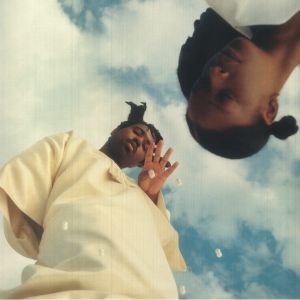
To be honest, Sampha is an artist that I have always unfairly looked past and not paid attention to(even though I probably should have, considering the type of music I enjoy). For some reason, Sampha is an artist that I forever reason have never given a chance. He is an artist that I have been meaning to check out for a while and have just never gotten around to it. Sometimes, there are those artists who make the kind of music you are into that so many people you trust have suggested to listen to and you just keep forgetting to do it. Sampha is an artist who fits that bill for me. Sampha is an artist who has had his finger on the pulse of the R&B and Hip Hop worlds for the last 10-15 years. Instead of being known for his solo work, Sampha has been more well-recognized for his numerous excellent collaborations over the years. Sampha has helped contribute to some of the best Hip Hop albums by multiple high-profile artists over the last several years. Some of his most important features have come on Drake’s albums Nothing Was The Same and More Life, Kanye West’s The Life of Pablo, Kendrick Lamar’s Mr. Morale and the Big Steppers, and Travis Scott’s Utopia. When it comes to his solo music, Sampha has not put out a ton of work(which may be one of the reasons I accidentally skipped over him over the years). In the early 2010s, Sampha released two critically acclaimed EPs, Sundanza and Dual. His debut album, Process, did not come until 2017. This album received widespread praise. It is considered one of the best albums of the year it came out by critics and R&B fans alike, and it solidified him as one of the most interesting artists coming up in the genre. After 6 years, Sampha has released his second record, Lahai. Like its predecessor, this album has been loved by pretty much anyone who has listened to it as far as I have seen online, and it is once again considered one of the best albums of the year. Considering the reception online that I have seen of Lahai, I knew I could not skip it. I know it came out a little while ago, but it’s better to listen to it late than never, right? With all of that being said, here is how I feel about Sampha’s Lahai. Please let me know in the comments below what your favorite songs are from Lahai, and also comment on how you feel about it as a whole.
Sampha starts Lahai on a quirky and sort of anxious note with the song ‘Stereo Colour Sound(Shaman’s Dream).’ This track is somehow calming and unnerving at the same time. The tone of the melody is sweet, but the way it hits the beat sort of makes it sound suspenseful. The melody for this track, which is provided by high-pitched synths and complemented by a soft piano riff, has a twinkling sound that sort of makes it sound like chimes. The beat for ‘Stereo Colour Sound(Shaman’s Dream)’ is like a hyperpop version of a UK Garage beat. The beat has the drum pattern of Garage music and the tempo of hyperpop. The melody sort of sits off of the beat in a strange and cool way, which is what makes it so unorthodox. Sampha’s rich tone sounds very cool on this instrumental. The way the low vocals contrast the lofty pitch of the melody gives ‘Stereo Colour Sound(Shaman’s Dream)’ so much life. On ‘Stereo Colour Sound(Shaman’s Dream),’ Sampha sings about how he feels protected and comfortable with a new significant other who is helping him open up more. ‘Spirit 2.0,’ which is the first single release from this album, slows and calms the mood down a bit from the feeling of the last song. Like ‘Stereo Colour Sound(Shaman’s Dream),’ ‘Spirit 2.0’ has an element to it that feels soothing and uneasy at the same time. The main piano riff that drives the melody is soft and sweet, yet the synths that are put on top of the melody are a bit spooky. The beat for this track is so interesting and weird. Somehow it feels upbeat and downtempo at the same time. The way the snares and hi-hats are played is super quick and has a Dance music feeling to it, but the way the bass drum hits slows the tempo of the song down and makes it feel like slower R&B music. The arrangement of the melody and beat on this track is so cool, and Sampha’s strong vocals enhance the strange yet inviting feeling this song has. Sampha’s vocal performance on this track is soothing and makes ‘Spirit 2.0’ feel so homey. On ‘Spirit 2.0,’ Sampha is singing about how life can be hard and emotional and how it will always catch up to you. ‘Dancing Circles’ is a song with a lot more of a negative and downtrodden tone than the first two tracks. The piano riff that drives this melody kind of feels sad and desperate. Some warmer piano tones come in over the top of the main riff on and off throughout the track providing some life to it, but overall, this song almost has a desolate feeling. This bleak melody is the driving force behind this song, as the beat does not come in towards the end of the track. ‘Dancing Circles’ is a song that mostly consists of that melody and Sampha’s vocals. This is totally okay, though, because the focus is put on Sampha’s vocal performance, which is honestly riveting. The emotion that Sampha is feeling is palpable through his vocals on this song; as a listener, I can feel a sense of longing through his voice. On ‘Dancing Circles,’ Sampha sings to a significant other, stating that he only feels okay when he is with them. This person brings a level of relief to his life that he needs so badly.
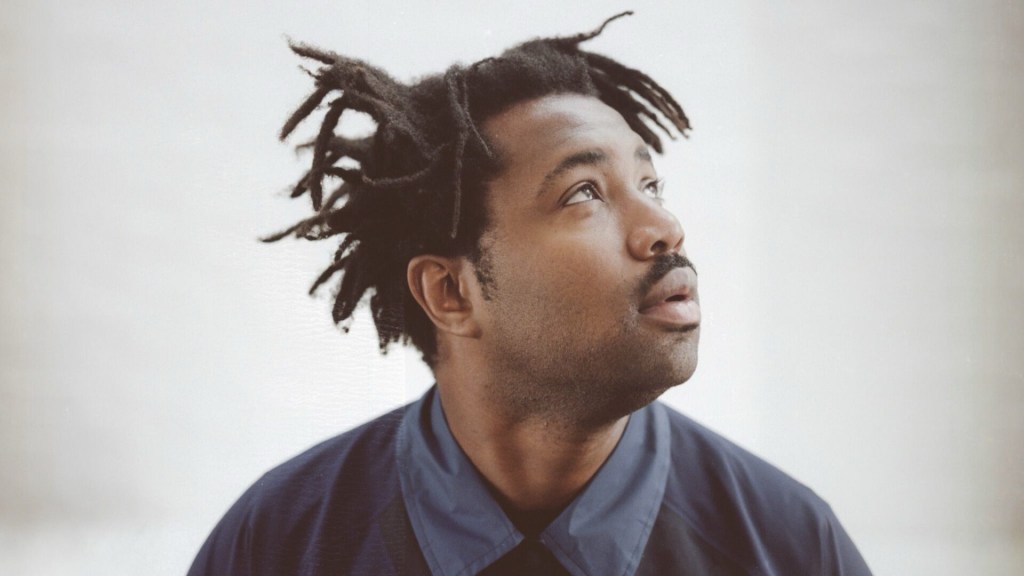
Like the first three tracks of the record, ‘Suspended’ is a song with an anxious feeling to it. This one does not feel quite as gloomy or negative as those do, but there is still something about the instrumental that gives me chills and makes me feel a bit uneasy. The melody for this track, which is driven by a fast-paced piano riff, is so intricate and sounds so ethereal. ‘Suspended’ has a harder-hitting beat than the first three tracks do with a Hip Hop element to it. The best way I can describe the beat for ‘Suspended’ is that it is like a Hyperpop version of an R&B Trap beat. Sampha’s vocal performance on ‘Suspended’ is truly excellent. His range is so wide on this track, and his vocals are so luscious. I love the vocal effects that are put on his voice at some points in the track, as the distortion on his voice gives the track life. On ‘Suspended,’ Sampha sings about how his lover is saving him from himself and making him feel full as a man. ‘Satellite Business’ is a track that feels like an interlude. This is a 1:24 cut with no beat that is solely driven by a celestial piano melody complemented by futuristic synths and sound effects. Sampha raps the vocals on ‘Satellite Business.’ His flow is quick and poignant, contrasting the softer nature of the instrumental. I enjoy how the vocals sit on this instrumental, as they make this simple and short track feel so large and powerful. On ‘Satellite Business,’ Sampha goes through a bit of an existential crisis. He is trying to connect to the spiritual energy he feels in the world around him, but can not quite make the connection he longs for. ‘Jonathan L. Seagull’ is the brightest and most colorful song on the record so far. The lighter feeling that this song has is a breath of fresh air, as it draws away from the heaviness of the rest of the record. This song is driven by vibrant and sweet synths that are so warm and inviting. ‘Jonathan L. Seagull’ also has the most upbeat and Pop-Centric beat of the record to this point. It has a fun and spritely beat that makes me want to dance when I hear it. Like the song before it, Sampha demonstrates his wide range on ‘Jonathan L. Seagull,’ hitting high notes that make the song radiant. This song also contains some female vocals which give the song a dainty element. In ‘Jonathan L. Seagull,’ Sampha sings about how even though you may be going through the same thing as your peers, your perspective on those things and how they affect you can be vastly different. ‘Inclination Compass(Tenderness)’ is a song with a more retro feeling than anything before it on this record. This song has a tone and feeling that reminds me of some of the Neo-R&B that were big in the late 1990s and early 2000s. When I hear this track, I think of artists like Erykah Badu, or even Alicia Keys. This song is driven by a beautiful yet melancholy piano riff that is complemented by humming vocals. The vocals that complement the melody make the song feel so all-encompassing. This melody is put on a light, old-school R&B beat. ‘Inclination Compass(Tenderness)’ has a sound that early 2000s R&B fans should love. ‘Inclination Compass(Tenderness)’ probably has the least powerful vocal performance on record so far in my opinion. The vocals do sound nice and clean, but they do not punch in the same way they do on the previous tracks. In ‘Inclination Compass(Tenderness),’ Sampha sings about trying to rekindle the happiness and sense of freedom he once had when with a significant other.
‘Only,’ which is the second single from this record, definitely has a more typical and current Hip Hop sound than anything before it. To be honest, although this song is very good, it kind of feels out of place. I do understand why it was picked as a single because it has a fresh and entertaining sound that I could see more casual Hip Hop and R&B fans enjoying. ‘Only’ is driven by a Heavenly piano riff complemented by distorted synths and put on top of a pretty typical Trap beat. Even though there are no actual Gospel-style vocals on the track, this song has the tone of a Gospel Trap song. I could see artists like Smino, Chance The Rapper, or even Earthgang excelling on this instrumental. Sampha himself excels on this instrumental as well. I love his flow on this track; he rides the instrumental so fluidly and gives the song so much life. Even though ‘Only’ does not fit the sound of the preceding songs super well, it is still probably my favorite song of the record(which is saying something) and is one that I downloaded immediately. On ‘Only,’ Sampha sings about how he keeps other humans at a distance because of his lack of trust in them and puts all of his faith in his spirituality. ‘Time Piece’ is a 20-second interlude that solely consists of a female’s vocals speaking in French. In this little piece, this female states that time does not exist. I honestly do not know how this track relates to the rest of the record; maybe it will make sense due to the songs following it, or maybe there is something I am just not picking up on because I do not understand why ‘Time Piece’ is put here. ‘Can’t Go Back’ is an intriguing song that starts very simply and gains complexity as the song goes on. This song is very unusual and may not be for everyone, but one can not deny how engrossing it is. The song begins with a Jazzy piano riff that is put over a quick bassline that becomes more intense as the song progresses. The more we get into the song, the harder the beat becomes, until it eventually takes on a full Drum n Bass sound. The melody gets larger as well, with various other instruments and synths coming to complement the piano riff. Sampha’s vocal performance on ‘Can’t Go Back’ is strange and awesome. He sort of sings off of the beat, giving the song a glitchy nature that is so captivating. On ‘Can’t Go Back,’ Sampha sings about being okay with your life and your decisions. You can not change the past or future, so it is best to focus on the present moment. ‘Evidence’ is probably the warmest and most inviting song of the record(besides maybe ‘Only’). After how anxious and elaborate most of this record has been, it is nice to hear something more simple and pure. ‘Evidence’ has a Gospel music feeling to it; it is driven by a cozy and inviting piano riff that is complemented by various instruments, including what sounds like an organ. There is something decidedly funky about the melody of this track; I can hear some influence from old-school Disco music on this one. ‘Evidence’ contains what is easily one of Sampha’s best vocal performances on this record. His range on this song is so vast and his timbre is so expansive; Sampha shows how strong a vocalist he is in this one. On ‘Evidence,’ Sampha sings about his connection(or lack thereof) to the physical world, and how sometimes he feels like he is floating through space.
‘Wave Therapy’ is another track that feels like a brief interlude. This is an extremely pleasant crescendo of sound with a symphonic feeling. In a way, it almost feels like the intro to the next track because of how similar their melodies are. There is an abrupt pause between ‘Wave Therapy’ and ‘What If You Hypnotise Me?,’ which features Léa Sen, so ‘Wave Therapy’ is not exactly an intro for the track that follows it, but to me, it serves that purpose. The melody for ‘What If You Hypnotise Me?’ has a melody that feels like a more simple and slightly more melancholy version of the one on ‘Wave Therapy.’ The melody for ‘What If You Hypnotise Me?’ is also a lot faster than the one on The beat for this song is strange and ultramodern; the off-tempo nature of the way the drums are played and the distortion placed on them makes this song sound robotic and futuristic. There are also many effects placed on the vocals that add to the crazy feeling of the song. Towards the end of the track, the instrumental slows down and becomes even more distorted. During this portion of the song, Léa Sen comes in, giving the song a delicate feeling as it comes to an end. On ‘What If You Hypnotise Me?,’ Sampha and Léa Sen are singing about wanting to be hypnotized to get over their insecurities and doubts in their life. Instead of working through these problems, they want the problems to disappear. Sampha closes out Lahai on a sort of downtrodden note with the song ‘Rose Tint.’ There is something off-putting about this song. Although it is stimulating and enthralling, for me, it is kind of hard to listen to. There is just so much going on in this song; it is like an explosion of anxiety. Amazingly, this song induces this feeling despite it being so simple. The sound effects and noises used throughout ‘Rose Tint’ are so well-timed and make the song so riveting and uneasy. ‘Rose Tint’ also contains one of the stronger vocal performances of the record. The emotions that Sampha is feeling are palpable through his vocals, adding to the distressed feeling of the song. On ‘Rose Tint,’ Sampha sings about trying to connect with others to feel purpose in the world. ‘Rose Tint’ is a compelling way to end this record that certainly closes it out on a striking note.
As I stated in the introduction, Sampha is an artist whom I had never dived into before this point, and I know that I should have. I am glad that I decided to go back and listen to Lahai even though it came out a little while ago because it is easy to see why so many people love Sampha. There is no one(that I know of, at least) who is like Sampha, and this is evident in Lahai. This album has such a vast and eclectic sound that is comparable to no one else. The instrumentals on Lahai are so diverse yet so concise. This album draws from such a wide variety of sounds and combines them in a super cool way. Sampha excels as a lyricist and vocalist on Lahai, inducing relatable and vivid emotions through his writing and tone. Lahai is a great example of what makes Sampha so fascinating and entertaining, and I am excited to keep following his musical journey in the future.
 EAST SIDE VIBES